Chamber responds to Rachel Reeves’ Autumn Budget 2025
Businesses have delivered a mixed verdict on the Autumn Budget 2025, with many warning that Chancellor of the Exchequer Rachel Reeves’ budget fails to provide a clear blueprint for growth.
While the Chancellor’s budget 2025 includes welcome measures such as reduced costs for SMEs training apprentices and additional rate relief for the leisure, retail, and hospitality sectors, concerns remain over stagnant growth forecasts, rising inflation, and increased complexity in the tax system.
Industry leaders argue that the budget 2025 missed a crucial opportunity to simplify regulations and create an environment for long-term prosperity.
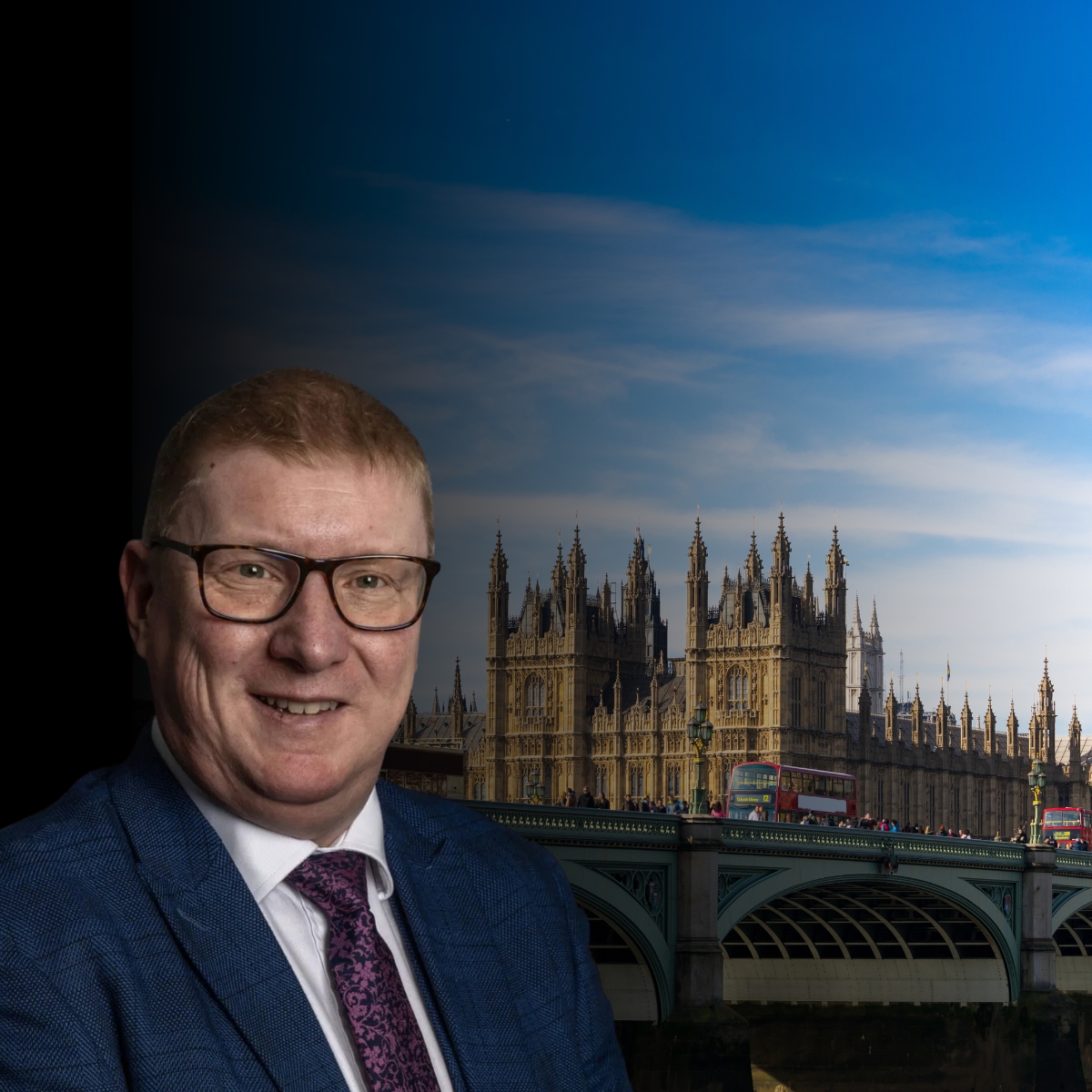
Commenting on the Chancellor’s Budget statement, Matt Travis, President of Barnsley & Chamber said:
“Last year the Chancellor pledged to fix the foundations of Britain’s broken economy, today’s announcement has reaffirmed that she is continuing to build those foundations on sand.
Following months of speculation, which has driven uncertainty and seen businesses place spending and recruitment decisions on hold, the announcements made has done little to address the very real problems that many businesses are facing.
Figures released by the OBR revealed that growth will increase by just 0.5% next year, and likely to remain largely stagnant for the remainder of the parliamentary term. At the same time, productivity figures have been downgraded and inflation is expected to continue to rise.
I am very concerned that the decision to tax and spend will starve Britain’s economy of the oxygen it desperately needs to prosper – and with the spectre of the Employment Rights Bill likely to impose additional burdens on businesses of all sizes, I am under no illusions that many will continue to face immense challenges, particularly when it comes to recruiting and retaining the vital employees needed to boost productivity and drive growth.
Having said that, I welcome the decision to reduce the cost on SMEs when it comes to training apprentices. This will undoubtedly help some of Britain’s smallest businesses, and the decision to provide additional rate relief for the ailing leisure, retail and hospitality sectors is a positive step. But I would liked to have seen the Chancellor go further.
This was not a simple budget and the decisions made today will add more complexity to the already tangled tax system and with many of the announcements unlikely to come to fruition for some time, I suspect it will result in more speculation and uncertainty in the months and years to come.
Many of the businesses I speak to are still reeling from the NI, employer pension contributions and changes to the national minimum wage introduced last year. Today offered a chance for the Chancellor to reset course, simplify the tax system and create an environment to enable businesses to prosper – instead the chancellor did the opposite, creating more confusion and chaos whilst loosening the purse strings to appease her own backbenchers.
It’s a budget that will leave almost every working person a little worse off, fails to address the eyewatering levels of public spending, and like so much of the speculation in the run up to today’s announcement, leaves more questions than answers.”
Responding to the Chancellor’s Budget statement, Shevaun Haviland, Director General of the British Chambers of Commerce, added:
“The Chancellor has listened to our calls and made the right choice by not piling major new tax rises on businesses’ shoulders, which will calm nerves.
Firms will be pleased to see the commitment to transport and infrastructure, and critically, the funding for planners the BCC has called for. It is now vital that the Government delivers on these promises.
Business will welcome support for youth employment, stamp duty relief, protection for capital spending, a reduction in business rates multipliers and some investment tax breaks.
They will be worried about salary sacrifice changes, mandatory wage increases, and retention of the energy profits levy, which will maintain cost pressures.
Alongside this, we have seen UK-wide business support funding of almost £1bn axed and replaced with a system of piecemeal support which favours select urban regions. That risks further regional inequality and damage to rural economies.
While most businesses will weather this new financial landscape, they are still being squeezed by rising costs. Many will be disappointed that this Budget did not provide a more compelling blueprint to deliver transformational growth.”
The British Chamber of Commerce have prepared an economic summary, policy grid and shared links to official government documentation about the Autumn budget to support you.
See also...
-

New figures reveal government spending is failing SMEs
Barnsley & Rotherham Chamber has called on the UK Government to do more to back SME businesses across the UK, after a new report revealed that it is failing to […]
More -

The King’s Awards for Enterprise 2027
The King’s Awards for Enterprise, formerly known as The Queen’s Award for Enterprise, represent the most prestigious official recognition for UK businesses. This esteemed awards programme celebrates outstanding achievements in […]
More -

Save the date! Barnsley & Rotherham Chamber unveils 2026 Business Awards plans
It’s one of the hottest dates on the local business calendar, and Barnsley & Rotherham Chamber has announced that the Barnsley & Rotherham Business Awards are set to return. Now […]
More -

South Yorkshire Businesses Urged to Share Impact of Rising Employment Costs in Quarterly Economic Survey
South Yorkshire’s Quarterly Economic Survey is now open, providing a critical opportunity to quantify the growing impact of rising employment costs on businesses across the region. Delivered jointly by Barnsley […]
More